


Beginner Tennis Racquets 2025 | Easy Picks for First-Time Players
Just getting into tennis this year? You’ve picked a great time to start. The right beginner racquet can make a big difference right away—giving you more depth on your shots, fewer shanks, and a lot less stress on your arm. In this guide, we’ll keep things simple so you can scroll through, learn what matters, and confidently choose a racquet that’ll help you enjoy the game from day one.
Quick Picks by Player Type
Comfort from Day One (Zero to Rally):
Go for an oversized head (105–110 sq in), medium weight (270–285g), and a balance that’s even or slightly head-heavy. This setup helps you connect with the ball more easily and adds a bit of extra power without needing perfect form.
If You’re Already Thinking About Control:
Look at racquets with a 100–102 sq in head, 280–295g weight, and a head-light balance. That combo gives you better timing and makes volleys feel more natural—great if you're planning to rally with purpose early on.
Worried About Your Arm?
Choose something arm-friendly: a graphite or composite frame, around 105 sq in, 270–285g, strung with comfort strings at slightly lower tension. It’ll feel smoother and reduce shock on mis-hits.
Starting on a Budget:
No shame in keeping it simple—grab an aluminum or graphite composite racquet between 102–108 sq in. Many come pre-strung. You can always upgrade the strings later once you’re playing regularly.
How to Choose Your First Racquet (Beginner-Proof Decoder)
1. Head Size — Forgiveness vs. Control
A bigger racquet head gives you a larger sweet spot, meaning even off-center shots still go deep. Smaller heads reward clean timing but need more precision.
- Oversize (105–110 sq in): Easiest to use, great for new players who want a forgiving feel.
- Mid Plus (100–104 sq in): A solid all-rounder—perfect once you're rallying more consistently.
2. Weight — Power vs. Manoeuvrability
Racquets are listed by their unstrung weight; once strung, they gain about 15–20g. For beginners, the goal is “light enough to swing, but not flimsy.”
- 260–275g: Super light, great for juniors or smaller adults.
- 276–290g: Ideal starting zone—stable on contact, but still easy to handle.
3. Balance — How It Feels in Motion
Where the weight sits affects how the racquet swings and feels.
- Head Light (HL): Easier to control at the net and gentler on the wrist and elbow.
- Even to Slightly Head Heavy (HH): Adds depth to slower swings—very common in beginner frames.
4. Stiffness & Beam — Pop vs. Comfort
Stiffer frames and thicker beams give more effortless power, but they can be less forgiving on your arm.
- Look for a moderate beam and pair it with comfort strings to soften the feel.
5. String Pattern & Tension
- 16×19 (open): Easier spin and depth—very beginner-friendly.
- 18×20 (dense): More control, but needs better timing.
- Tension Tip: Start in the middle of the racquet’s recommended range. Lower tension = more power and comfort; higher = more control.
6. Length — Keep It Standard
- 27 inches: The standard racquet length and your best bet. Anything longer can feel awkward until you’ve built your timing.
7. Material — Feel vs. Cost
- Graphite/Composite: The sweet spot for comfort, feedback, and long-term use.
- Aluminum/Composite: Affordable and durable for early play—great for one season or a spare racquet.
Grip Size in 60 Second
Measure from the middle crease of your palm to the tip of your ring finger. If you’re between sizes, choose the smaller grip and add an overgrip.
|
US |
EU (L) |
Who it often fits* |
|
4 1/8″ |
L1 |
Smaller hands / teens |
|
4 1/4″ |
L2 |
Most beginners |
|
4 3/8″ |
L3 |
Average‑large hands |
Beginner‑Friendly Specs You Can Trust
- Head size: 102–108 sq in (forgiveness and depth)
- Weight (unstrung): 270–285 g (stable yet easy to swing)
- Balance: Even to slight HH (or light HL if you love volleying)
- String pattern: 16×19
- Length: 27″
Also Read: Best ASICS Tennis Shoes (2025): Find Your Perfect Match
Top Beginner Picks (2025)
These models are popular with first‑time buyers and “back‑after‑years” players. We’ve expanded each model so you can attach a product card underneath and give shoppers everything they need at a glance.
Easy Power & Big Sweet Spot
1. Yonex Astrel 105 — Comfort‑first confidence
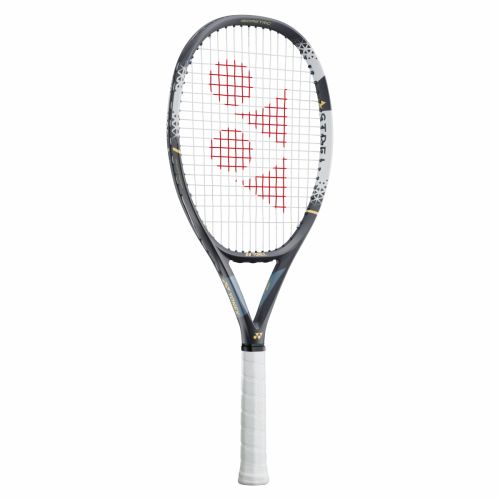
- Specs snapshot: Oversize; light; even to slight HH; 16×19.
- Who it’s for: New or returning players who want a plush, arm‑friendly feel from day one.
- Why beginners like it: Generous sweet spot masks mishits; soft layup reduces shock; stable without feeling heavy.
- Suggested strings: Multifilament at mid range; drop 2 lbs if balls land short.
- Consider instead if… you want a bit more directional control → Wilson Ultra 108.
2. Babolat Boost Drive — Easy power, zero fuss
- Specs snapshot: Oversize; light yet stable; even/slight HH; 16×19.
- Who it’s for: First‑time buyers wanting lively depth for rallies and lessons.
- Why beginners like it: Lifts the ball deep with minimal effort; forgiving on off‑center contact; feels familiar right away.
- Suggested strings: Soft synthetic gut at mid; restring quarterly if playing weekly.
- Consider instead if… you’re very arm‑sensitive → Yonex Astrel 105.
3. HEAD Ti.S6 — Maximum forgiveness, minimal effort
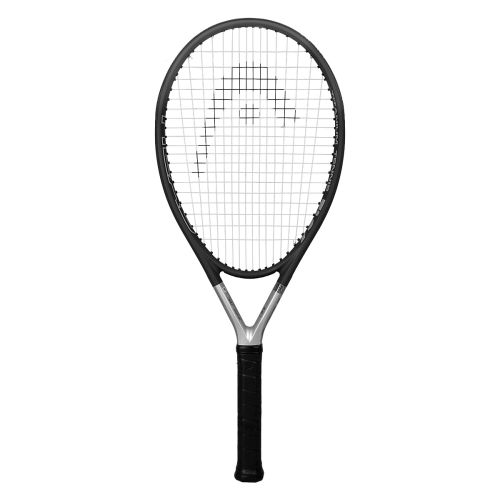
- Specs snapshot: Oversize+; very light; HH; beginner‑friendly string pattern.
- Who it’s for: Learners wanting the largest safety net and effortless depth on compact swings.
- Why beginners like it: Huge sweet spot keeps rallies alive; super easy to swing; reassuring contact even off‑center.
- Suggested strings: Multifilament at the lower half of the range for comfort.
- Consider instead if… you prefer a standard vibe and quicker net play → Ezone Ace (102) or Ultra 108.
Balance of Control + Forgiveness
1. Wilson Ultra 108 — Control + forgiveness balance
- Specs snapshot: 108 sq in; light; slight HL; 16×19.
- Who it’s for: Beginners who want forgiveness without losing directional control.
- Why beginners like it: Feels steady on volleys; guides the ball where you aim; won’t tire your arm in longer sessions.
- Suggested strings: Multifilament mid‑low; add 1–2 lbs if shots sail long.
- Consider instead if… you want the most plush feel → Astrel 105.
2. HEAD Speed PWR (series) — Modern feel as you improve
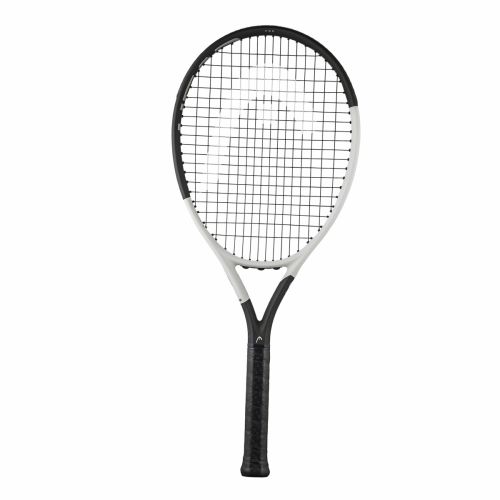
- Specs snapshot: Mid‑plus to Oversize; light‑medium; light HL; 16×19.
- Who it’s for: Starters planning weekly practice who want a racquet they won’t outgrow too quickly.
- Why beginners like it: Feels “serious” but not harsh; as strokes get faster, the frame keeps up.
- Suggested strings: Multifilament mid; shift ±2 lbs to tune depth/control.
- Consider instead if… you want livelier free power → Boost Drive.
3. Yonex Ezone Ace (102) — Compact, confidence‑building
- Specs snapshot: 102 sq in; light; mild HL; 16×19.
- Who it’s for: Players who prefer a slightly smaller, quicker head that still helps on mishits.
- Why beginners like it: Encourages better swing paths and contact habits without punishing every mistake.
- Suggested strings: Soft syn gut mid; add 2 lbs for extra control as you improve.
- Consider instead if… you want maximum sweet‑spot size → Ultra 108.
4. HEAD IG Challenge Team L — Light, fast, friendly
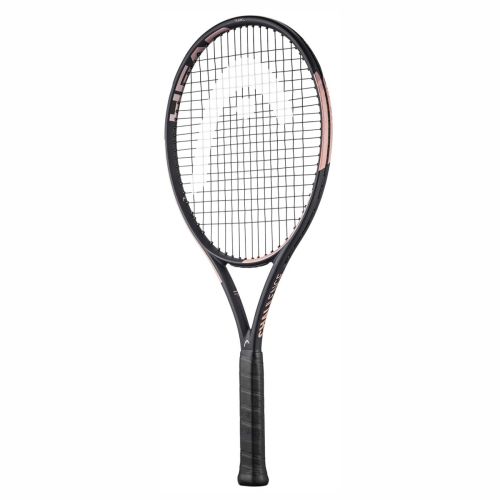
- Specs snapshot: Mid‑plus/OS; light; slight HL; 16×19.
- Who it’s for: Starters who like a whippy feel for quick swings and easy net play.
- Why beginners like it: Easy racquet‑head speed without losing stability; great for learning topspin.
- Suggested strings: Soft syn gut mid; drop 2 lbs if contact feels boardy.
- Consider instead if… you want extra plushness → Astrel 105.
Arm‑friendly & Progression‑ready
1. Wilson Clash 108 — Arm‑friendly control feel
- Specs snapshot: 108 sq in; light‑medium; light HL; 16×19.
- Who it’s for: Beginners with sensitive elbows/wrists who still want directional control.
- Why beginners like it: Comfort‑biased layup cushions impact while keeping the ball on a reliable line.
- Suggested strings: Multifilament mid‑low; restring every 10–12 weeks if playing weekly.
- Consider instead if… you want more free power → Babolat Boost Drive.
Quick comparison at a glance
|
Model |
Feel |
Forgiveness |
Ease of Depth |
Best for |
|
Astrel 105 |
Plush |
High |
High |
Arm comfort, confidence |
|
Boost Drive |
Lively |
High |
Very High |
Easy power |
|
Ultra 108 |
Controlled |
High |
High |
Directional control |
|
Speed PWR |
Modern |
Med‑High |
Med‑High |
Progression path |
|
Ezone Ace (102) |
Crisp |
Medium |
Med‑High |
Smaller head feel |
|
Ti.S6 |
Light |
Very High |
Very High |
Max forgiveness |
|
IG Challenge Team L |
Whippy |
Med‑High |
Med‑High |
Quick swings |
|
Clash 108 |
Ultra‑plush |
High |
High |
Arm‑safe control |
Your First-String Setup (It Makes a Bigger Difference Than You Think)
Strings make up half the racquet experience. Even the best beginner frame can feel stiff or lifeless if it’s strung wrong or with harsh material.
- Start with something soft: Go for a multifilament or a soft synthetic gut. These give you more comfort, a bit of extra pop, and help you avoid arm strain—perfect for learning.
- Tension tip: Aim for the middle of the racquet’s recommended tension range.
- Want more depth with less effort? Drop the tension by 2–3 lbs.
- Balls flying long? Add 2 lbs for a bit more control.
- How often to re-string: A simple rule: re-string as many times per year as you play per week. So if you hit once a week, 3–4 times a year is enough when you're starting out.
- Curious about polyester strings? Hold off for now. Polys are tough and used by big hitters—but they’re stiffer and less arm-friendly. Save them for when you’re swinging harder and breaking strings more often.
Common Beginner Questions
1. Is lighter always better?
Not always. Very light racquets can twist on off‑center hits. Something around 275–285 g unstrung is easier to learn with and won’t fight you.
2. Will a larger head make me improve slower?
No. A forgiving head builds rhythm and confidence. As timing improves, you can move to a slightly smaller head for more control—no rush.
3. Do I need an extended‑length racquet?
No. Stick to 27″ while you master footwork and contact. Extended frames add reach but can throw off timing early on.
4. What grip size should I choose if I can’t try in person?
Measure palm‑to‑ring‑finger tip and use the size chart. Between sizes, pick the smaller and add an overgrip.
5. Head‑light vs head‑heavy—what’s better for beginners?
HL feels quicker and easier on the arm (great for volleys). Slight HH adds easy depth on compact swings. Either works; choose based on where you struggle more—timing (HL) or depth (HH).
6. 16×19 vs 18×20 string pattern—does it matter?
16×19 (more open) gives easier depth and spin at lower effort—friendlier for beginners. 18×20 is fine later for extra control.
7. Should I start with polyester strings?
Skip poly at first. Use multifilament or soft synthetic gut for comfort and power. Try poly only when you’re swinging faster and breaking strings.
8. What tension should I use?
Start mid‑range printed on the frame. Drop 2–3 lbs for comfort/easier depth; add 1–2 lbs if balls are sailing.
9. Do I need a vibration dampener?
Optional. It changes the feel/sound of impact but not the actual shock much. Use one if the ping bothers you.
10. Will an overgrip change my size?
Yes, slightly. One overgrip adds about half a size feel. Handy if you picked the smaller grip.
11. How often should I re‑string as a beginner?
Rule of thumb: as many times per year as you play per week (e.g., 1×/week → ~4×/year). If strings look frayed or feel dead, restring sooner.
12. When should I upgrade from my first racquet?
If you’re consistently middling contact, seeking more control, or your racquet feels unstable against faster balls, move to a slightly smaller head or a bit heavier frame (still within comfort).
13. Is a pre‑strung racquet okay?
Yes for starting out. But a fresh multifilament at the right tension can make a big difference—consider a restring after your first few sessions.
14. Can a heavier racquet reduce arm pain?
Sometimes. A moderately heavier but well‑balanced racquet can feel more stable and reduce twisting. Pair it with a comfy string/tension.
15. How many racquets do I need?
One is fine to start. If you play weekly, a second racquet (same setup) avoids downtime when strings break.
16. Any care tips?
Avoid leaving racquets in hot cars/direct sun; heat weakens strings and grommets. Wipe grips, replace overgrips regularly, and check bumper guard wear.
Size & Fit When You’re Buying Online
Buying your first racquet online? Totally doable—as long as you know what to check.
Weight sweet spot: Look for something between 270–285g (unstrung). It’s light enough to swing comfortably but heavy enough to stay stable on contact.
Grip size test (DIY at home): Grab the racquet in a forehand grip. If the tip of your ring finger just touches the crease of your palm, the grip is a good fit.
- If there's a gap, you might need a larger grip.
- If your finger overlaps the palm, go down a size.
Can’t decide between two head sizes? Go with the larger one to start. A bigger head means a bigger sweet spot and more forgiveness. You can always size down later as your timing and technique improve.
Budget Tiers (India-Friendly)
- Entry Level (₹3,000–₹7,000): Basic aluminum or composite racquets—great for first lessons or casual weekend hits. Durable, affordable, and enough to get you started.
- Value Tier (₹7,000–₹15,000): This is the sweet spot for most beginners. You’ll find graphite or composite frames with better feel and control, and often better string quality too.
- Premium Starter (₹15,000–₹25,000): A solid step up if you're committing to regular play. Expect better materials, more stability, and a smoother feel—great if you’re joining a club or training weekly.
Your Next Steps
- Set your spec target: Something like 105 sq in head size, ~280g weight, and a 16×19 string pattern is a great starting point.
- Narrow it down: Pick 2–3 racquets that match your target specs and compare feel, brand, and string setup.
- Add a comfort string setup: Ask for multifilament strings at mid-range tension—your arm will thank you.
- Give it a fair shot: Play 4–6 sessions. See how the racquet feels and how confident you’re becoming. If it clicks—you’re set.
Shop Smart on Racquets4U
- Browse: /tennis‑racquets/
- Oversize (105–110): /tennis‑racquets/?head_size=105‑110
- Weight 270–285 g: /tennis‑racquets/?weight=270‑285
- Comfort Strings: /tennis‑strings/
- Brands: /brand/head/ · /brand/yonex/ · /brand/wilson/ · /brand/babolat/
Bottom Line
If you’re just starting tennis in 2025, the simplest path to more fun and faster progress is this: Look for a racquet with a 102–108 sq in head, around 280g unstrung weight, and a 16×19 string pattern strung with something comfortable.
That setup gives you easier depth, fewer mishits, and a smoother learning curve. Start there—and let your racquet grow with your swing.
